
Neer test Card Games Guide: Blackjack Rules and Poker
Neer test card games include formats that feel very different from each other: baccarat with its fixed rules, blackjack with its strategy charts and poker with its psychology and betting rounds. Each has a different cost, a different pace and a different demand on your attention. Learning the basics before you play helps you choose a table that fits, and it keeps sessions relaxed and within budget, with rules you can apply from your first hand.
Neer test Card Games: How They Differ
Games Against the Casino
Blackjack, baccarat and three card poker are played against the house. The edge is built into the payout rules, so the cost of each game is predictable and comparable. A small rule change, such as a 6 to 5 payout in blackjack instead of 3 to 2, can add more than a full percentage point to the edge. Read the rules before betting.
Games Against Other Players
Poker is played against other participants, and the platform takes a rake or entry fee. Your results depend on your decisions compared with theirs, which makes poker the most skill-driven option and the one with the steepest learning curve. Start at the lowest stakes and treat early sessions as practice.
Choosing by Temperament
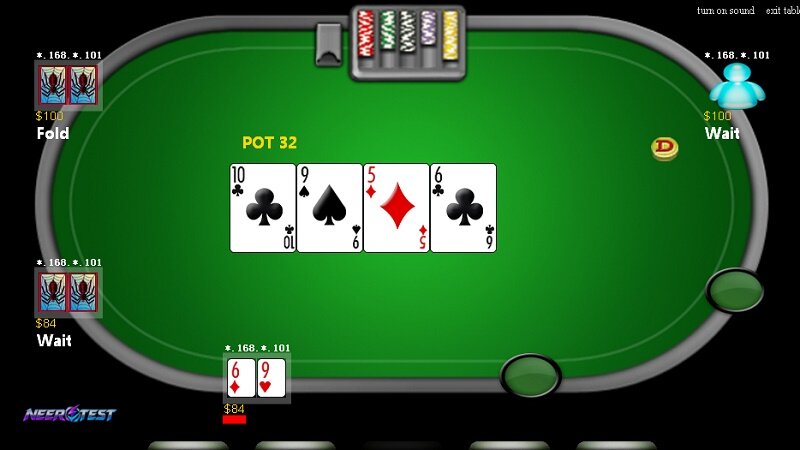
If you like a calm pace with few decisions, baccarat fits. If you enjoy applying a plan, blackjack rewards study. If you like reading situations and improving over months, poker offers depth. A Neer test card lobby makes it easy to try each at small stakes.
| Game | Skill impact | Typical cost | Pace |
|---|---|---|---|
| Baccarat | Very low | About 1.1% on banker | Fast |
| Blackjack | High | 0.5% to 1% with strategy | Medium |
| Poker | Very high | Rake plus opponent skill | Slow |
| Three Card Poker | Moderate | 2% to 3% | Fast |
Blackjack Rules and Strategy
Round Structure
You place a bet, receive two cards and see one dealer card. You may hit, stand, double down or split pairs, then the dealer plays by fixed rules. Cards count face value, face cards count ten and aces count one or eleven. A two-card 21 pays 3 to 2 at good tables, and ties push.
Core Strategy Rules
Basic strategy gives the best action for every hand and dealer card. Always split aces and eights, never split tens, double on eleven against most dealer cards and stand on hard seventeen or higher. Decline insurance. Following the chart reduces the edge to about half a percent.
Choosing Good Tables
Avoid tables that pay 6 to 5, restrict doubling or use rules that clearly favor the dealer. The rule banner tells you everything. Moving to a better table is free and improves your expected result immediately.
Poker and Baccarat Basics
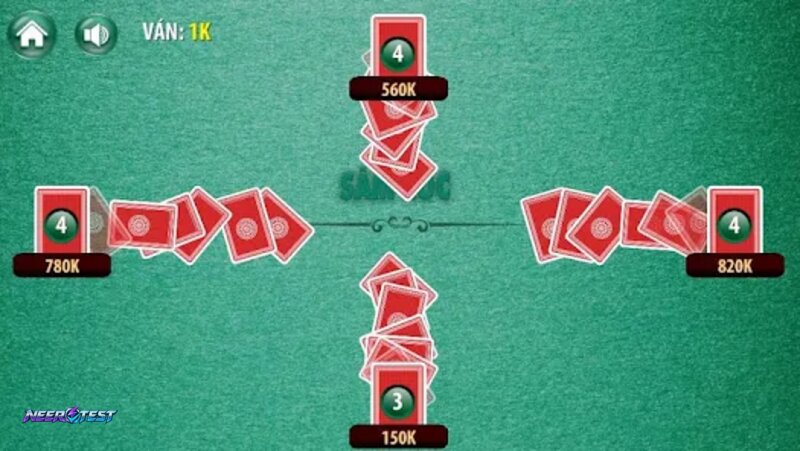
Poker Hand Rankings
From weakest to strongest: high card, pair, two pair, three of a kind, straight, flush, full house, four of a kind, straight flush and royal flush. Memorize the order before playing, because mistaking two hands is an expensive error. Free-play tables are the right place to practice.
Position and Patience
Acting later gives you information about opponents. Play fewer hands from early positions, and fold weak holdings without regret. Most beginners lose because they enter too many pots, not because they fail to bluff.
Baccarat Without Patterns
You bet on player, banker or tie, and the cards follow fixed rules. Banker wins slightly more often and carries a 5% commission. The tie costs far more over time. Scoreboards show past results but cannot predict the next one, so use them for fun only.
Habits That Protect Your Balance
Limits First
Write down your deposit limit, time limit and stop-loss before the first hand. Card games generate many decisions per hour, so check in with yourself every thirty minutes. A written plan is easier to follow than a mental one.
Handling Tilt
Tilt is emotional play after a loss or bad beat. Signs include larger bets, faster decisions and irritation. When you notice them, stand up, take a short break and return only if you feel calm.
Bankroll for Poker
Poker results swing widely. Keep at least twenty buy-ins for cash stakes or fifty tournament entries. A proper bankroll protects you from forced decisions after a bad run and from moving up stakes too soon.
Tournaments, Online Tables and Etiquette
Why Tournaments Suit Cautious Players
A tournament has a fixed buy-in, so your maximum loss is known. Everyone starts equal, and prizes go to top finishers. The format takes longer but provides structure that cash games lack.
Software vs Live Tables
Software tables deal instantly and allow many hands per hour, raising total cost. Live tables stream real cards and move slower with higher minimums. Watch a few hands before joining.
Table Manners
Act in turn, keep chat respectful and avoid revealing cards early. Slow-rolling a winning hand is rude. Good manners help everyone concentrate.
Quick Answers
Is Card Counting Possible Online?
No. Games shuffle often, and platforms usually forbid counting.
Which Game Should Beginners Start With?
Blackjack, because a fixed strategy chart exists. Poker takes longer to learn.
How Long Should a Session Last?
Forty-five to sixty minutes, then take a break.
Stakes, Sessions and Reviewing Results
Choosing Stakes You Can Afford
New players are often drawn to higher limits because they look exciting. Start at the lowest limit, learn the pace and move up only when your budget can absorb more variance. With 100 and a 5 minimum, you have only twenty hands, which is too few for comfort. Lower minimums give you time to learn without pressure.
Reviewing a Session Honestly
After playing, note the time, stakes and result, and review the biggest decisions. Ask whether each choice was reasonable given what you knew, not whether it won. Over a few weeks, patterns show where you leak money, such as side bets or late-night play. A Neer test card routine improves fastest when feedback is written down.
Final Thoughts on Card Games
Neer test card games reward knowledge and discipline, but none removes the cost of playing. Learn the rules, use basic strategy, skip side bets and respect your limits. Treat every session as paid leisure alongside neer test.
If playing becomes stressful or hard to stop, take a break and talk to a support organization in your country. Cooling-off tools and self-exclusion are there to help you keep control.